
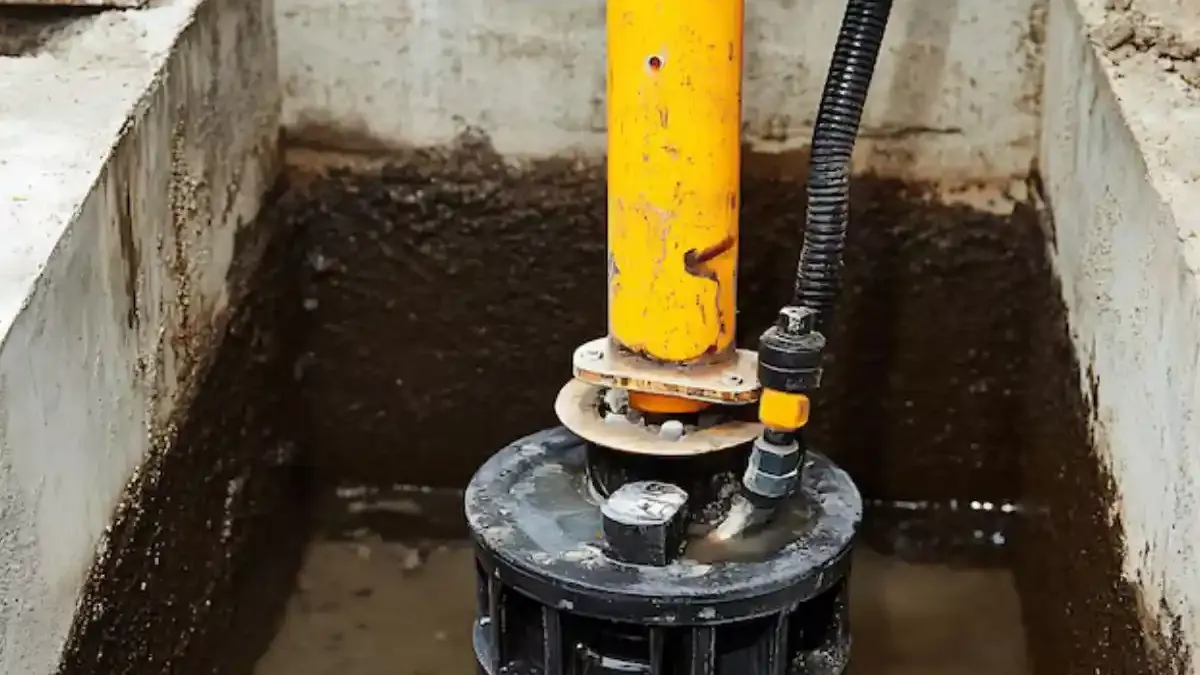
Why a sump pump alarm is worth installing
A sump pump alarm is a small device that sounds when water in the pit rises too high. It gives you a warning while the basement is still dry, which can be the difference between emptying a pit and cleaning a floor. Many Haverford, PA basements have sumps that no one watches until it is too late.
This guide explains the types of alarms, how installation works and what a plumber adds.
How a sump alarm works
A float or a probe sits above the normal water level in the pit. If water reaches it, the alarm sounds. Some alarms are battery powered, some plug in and some connect to a phone or home system.
The alarm does not fix a failing pump. It warns you so you can act, whether that means bailing, calling a plumber or switching to a backup.
Alarm types compared
Pick the style that matches your needs.
| Type | How it alerts | Consider |
|---|---|---|
| Battery float alarm | Loud local sound | Works in an outage, only helps if someone is home |
| Plug-in alarm | Loud local sound | Stops in a power outage unless on a backup |
| Smart alarm with phone alerts | Notifications to your phone | Needs Wi-Fi and a battery for outages |
| Alarm built into a backup system | Sound and status lights | Often sold with a battery backup pump |
How the alarm is installed
A plumber follows a simple order.
- Check the pump firstThe pump and check valve should work before an alarm is added.
- Choose the mount pointThe float or probe goes above the normal pump-on level but below the top of the pit.
- Secure and testThe device is fastened so it cannot tangle with the pump float, and then tested with water.
- Set up alertsSmart units are connected to your Wi-Fi and phone, and you test the notification.
No alarm on your sump?
Call. A plumber can add one in a short visit.
Why Haverford homeowners should check sump coverage and alarms
Haverford Township says it is generally not liable for sewer, drain or sump pump damage and encourages homeowners to ask their insurers about backup coverage. The Township's notice also says standard homeowners policies do not cover sewer backups or flooding without an endorsement.
That puts the cost of a failure on the owner, so an alarm is a small investment next to a flooded basement. The Building and Codes Department at 610-446-1000 can answer questions about electrical or plumbing permits that may apply to a new sump installation.
Beyond the alarm: a backup pump
An alarm warns you of trouble, but a backup pump keeps the water moving. Battery backup pumps start when the main pump fails or the power goes out. Combined with an alarm, they cover the two common failures.
Read about sump pump repair for pump types and backup options. If your basement stays damp despite a working pump, basement waterproofing explains the longer-term fixes.
Where the alarm should sit in the pit
The alarm should sit above the level where the pump turns on, so it only sounds when something has gone wrong. If it sits too low, it will sound every time the pump runs normally. If it sits too high, you will not hear it until the pit is nearly full.
A plumber sets the height by watching a full cycle of the pump. The goal is a quiet pit in normal weather and a clear alarm when the pump cannot keep up.
Power, batteries and who hears it
A loud alarm helps only if someone is home. If you travel or work long hours, a smart alarm that sends a phone alert is more useful. Choose one that also uses a battery so it works during an outage.
Replace batteries on a schedule, such as when you change smoke alarm batteries. A dead battery is the most common reason an alarm fails to warn.
Pair the alarm with a maintenance habit
Once or twice a year, clean the pit of debris, check that the discharge pipe is clear and test the float. Lift the float by hand or pour water until the pump starts and shuts off.
Keep a log, even a simple note on your phone. If the pump starts running more often, that is early warning that groundwater is rising or the pump is wearing out.
Common alarm mistakes
The most common mistakes are mounting the alarm so low that it sounds on every cycle, using an alarm with no battery and installing a plug-in unit on the same circuit as the pump. A circuit that trips takes both down.
A plumber avoids these problems by testing the alarm through a full pump cycle and giving it a separate power source if the layout allows.
A one-page maintenance routine
Twice a year, check the pit for debris, clean the intake screen, test the float, test the alarm and confirm the discharge pipe is clear outside. Write the date on a card near the pit.
That routine takes fifteen minutes. It catches the failures that cause most basement floods and costs far less than a cleanup.
Electrical safety around a sump pit
A pit holds water next to electricity, so outlets near it should be GFCI protected, a rule from the National Electrical Code, or NEC. A plug-in alarm or pump on a non-GFCI circuit is a hazard.
If your outlet is not protected, an electrician can fix it in a short visit. Do it before you add devices to the pit.
Testing the alarm and the pump
Test the alarm when you install it and then a couple of times a year. Pour water into the pit until the float lifts and check that the alarm sounds and the pump starts. Replace batteries on a schedule.
Keep a note of the date. A simple spring and fall check is easy to remember. We serve Ardmore and Wynnewood as well as Haverford.
Questions Haverford homeowners ask
Many are simple to mount, but the pump and discharge should be checked first. A plumber can do it with the pump service.
No. It warns you. A working pump and a backup stop the flood.
Test it when installed and a couple of times a year, along with the pump.
Only if they have a battery and your internet stays up. A local audible alarm with a battery works regardless.
We do not know of a general requirement. Ask the Building and Codes Department at 610-446-1000 if you are doing new work.