
Repiping in Haverford, PA
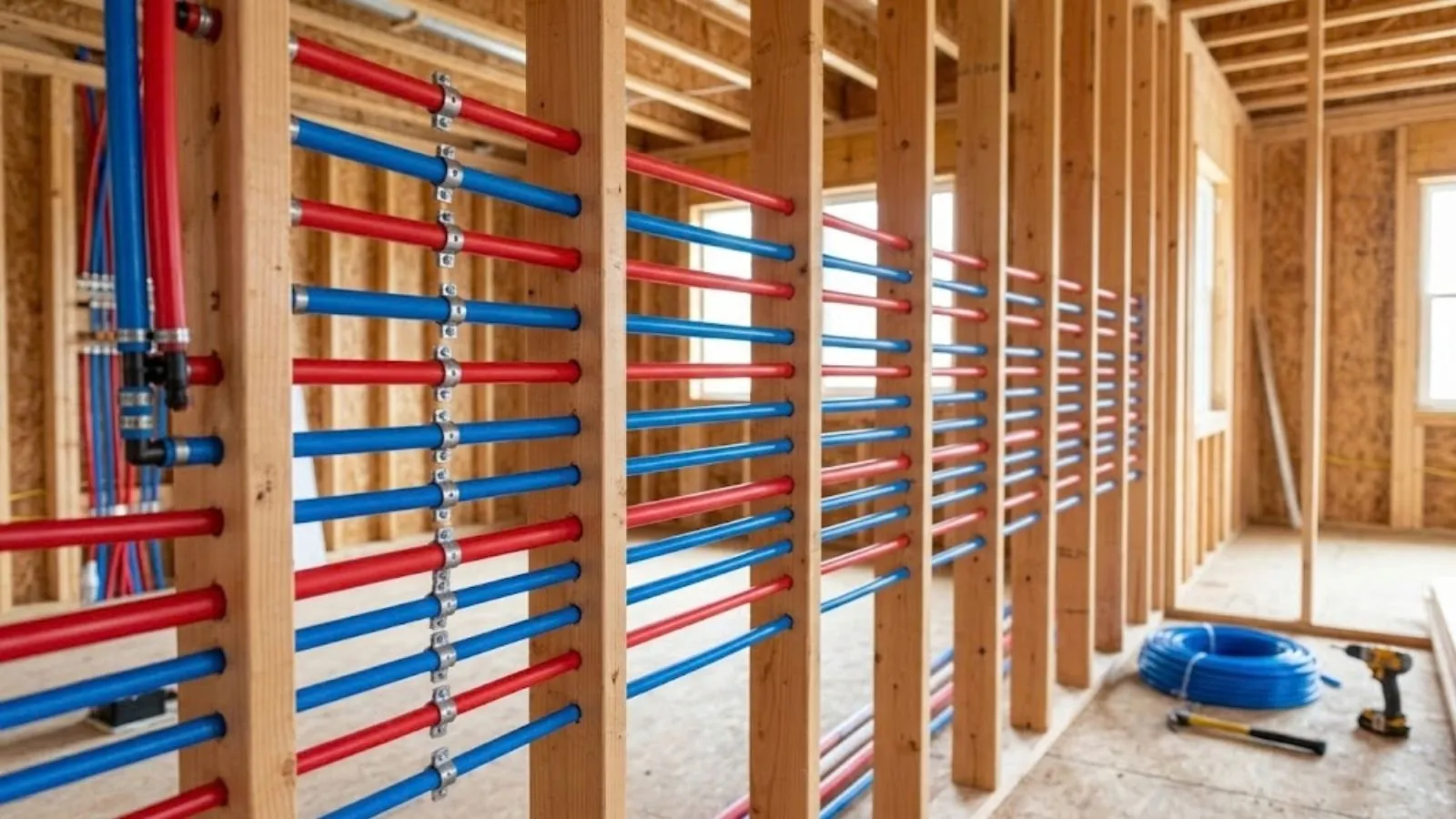
Repiping replaces the supply pipes that bring water to every fixture in the house. In Haverford, PA the job is for homes with old galvanized steel, failing copper or repeated leaks, and it is done by section or for the whole house.
It is a big decision, so this page walks through when it makes sense, the pipe options and what to ask for in a quote.
Signs your pipes are near the end
A single leak does not mean you need a repipe. A pattern does. Brown or rusty water, low pressure at several fixtures, repeated pinhole leaks and visible corrosion all point to pipes that are failing from the inside.
A plumber should show you the evidence: cut-out sections, camera footage where possible and a pressure test. A repipe quote without any evidence is a sales pitch, not a diagnosis.
Which pipes tend to fail
Older houses carry older materials.
Galvanized steel
Corrodes inside and narrows over time. Low pressure and rusty water are typical.
Old copper
Often lasts, but thin walls and aggressive water can cause pinholes.
Polybutylene
A gray plastic used in some homes decades ago, known for failures at fittings.
Lead service or solder
Older homes may have lead in service lines or soldered joints. A water test tells you.
Repeated leaks or rusty water?
Call for an inspection and a written scope.
Pipe options for a repipe
The right material depends on the house and budget.
| Material | Strengths | Trade-offs |
|---|---|---|
| Copper | Long track record, durable | Higher material cost, needs soldering |
| PEX | Flexible, fewer joints, quick to install | Not for use outdoors in sun, some fittings are exposed to code limits |
| CPVC | Lower cost, corrosion resistant | Can become brittle with heat and age |
There is no single right choice. Ask the plumber why they favor one and what the code in your area allows.
Whole house or section by section
Replacing everything at once is faster and often cheaper per foot, but it is a bigger disruption. Replacing in stages spreads the cost and the mess, though it can mean opening walls twice.
A good plumber can tell you which sections are failing and which are fine. If only the kitchen run is bad, replacing that run first is reasonable. If everything is galvanized, a full job is usually more sensible.
Permits, lead and water quality
Repiping usually needs a permit. Haverford Township says plumbing work is done by Township-licensed contractors and inspected under the Pennsylvania Uniform Construction Code. The Building and Codes Department at 610-446-1000 can confirm what applies.
If you worry about lead, ask your water supplier about testing and about your service line. We do not state your supplier's results from memory. A repipe is a good time to replace old fixtures and shutoff valves.
Repiping cost factors
Price depends on size and access.
What moves the price
Repiping for age or corrosion is usually not an insurance claim, though a sudden burst may be. Call (610) 672-7601 for an inspection and a written, itemized price.
What code says about replacement supply lines
Supply pipe material, sizing and protection rules come from the plumbing code, which in Pennsylvania flows from the International Code Council's International Plumbing Code, or IPC, through the Uniform Construction Code.
A plumber can explain why one pipe type is allowed in your house and another is not. Water supplier and township rules can add conditions, so confirm both before work starts.
Living through a repipe and what it leaves behind
A whole-house repipe often takes a few days. The water is off for parts of each day, and walls are opened and patched. Ask how patching is handled, because many plumbers leave paint and finish work to others.
Use the leak page, leak detection, if you only suspect a single bad line. If a pipe has already split, see burst pipe repair for the immediate fix. For a new bathroom, see plumbing installation.
Questions we hear most
Repeated leaks, low pressure at many fixtures, rusty water and visible corrosion are the usual signs. A plumber should show evidence before recommending a whole-house job.
A whole-house job often takes a few days, depending on house size and access. Patching walls may be extra.
Neither is best for every house. PEX is quicker and flexible, and copper has a longer track record. Ask what your plumber recommends and why.
Usually yes. Call the Building and Codes Department at 610-446-1000, or ask your plumber to confirm.
Often yes, but water will be off for parts of each day. Some families choose to stay elsewhere for a day or two.
If the cause is corroded galvanized pipe, yes. If the cause is a municipal supply or a failing regulator, no. The plumber should test first.